
Last updated October 30, 2026
 Wrought iron
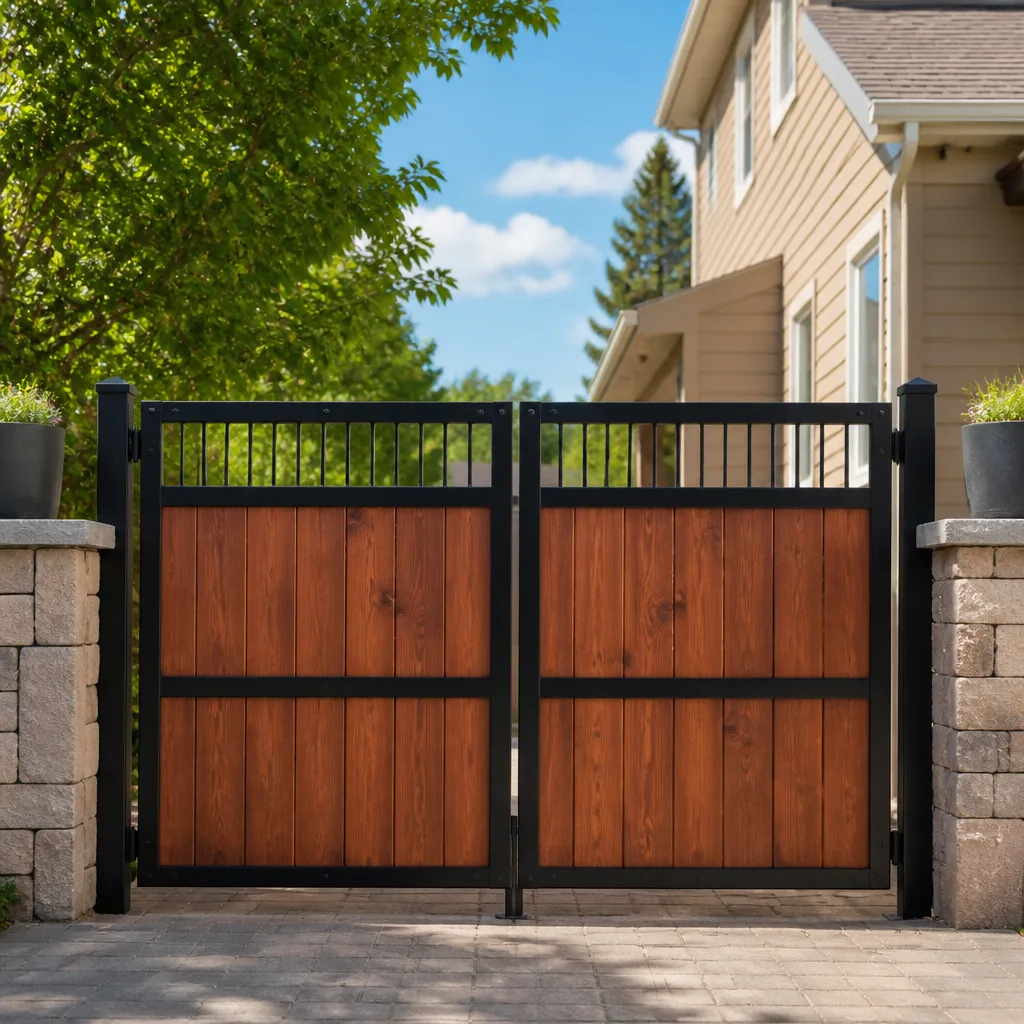 Wood & steel frame
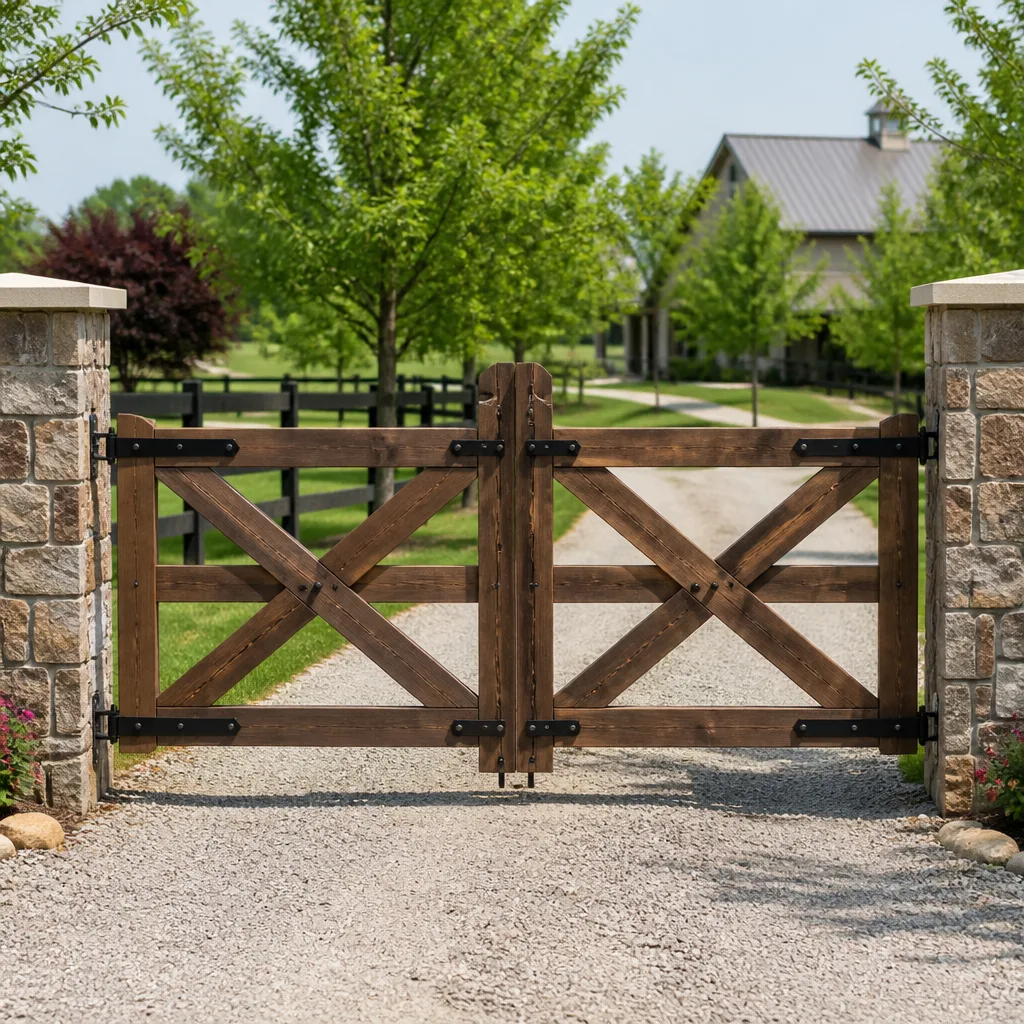 Farm & ranch
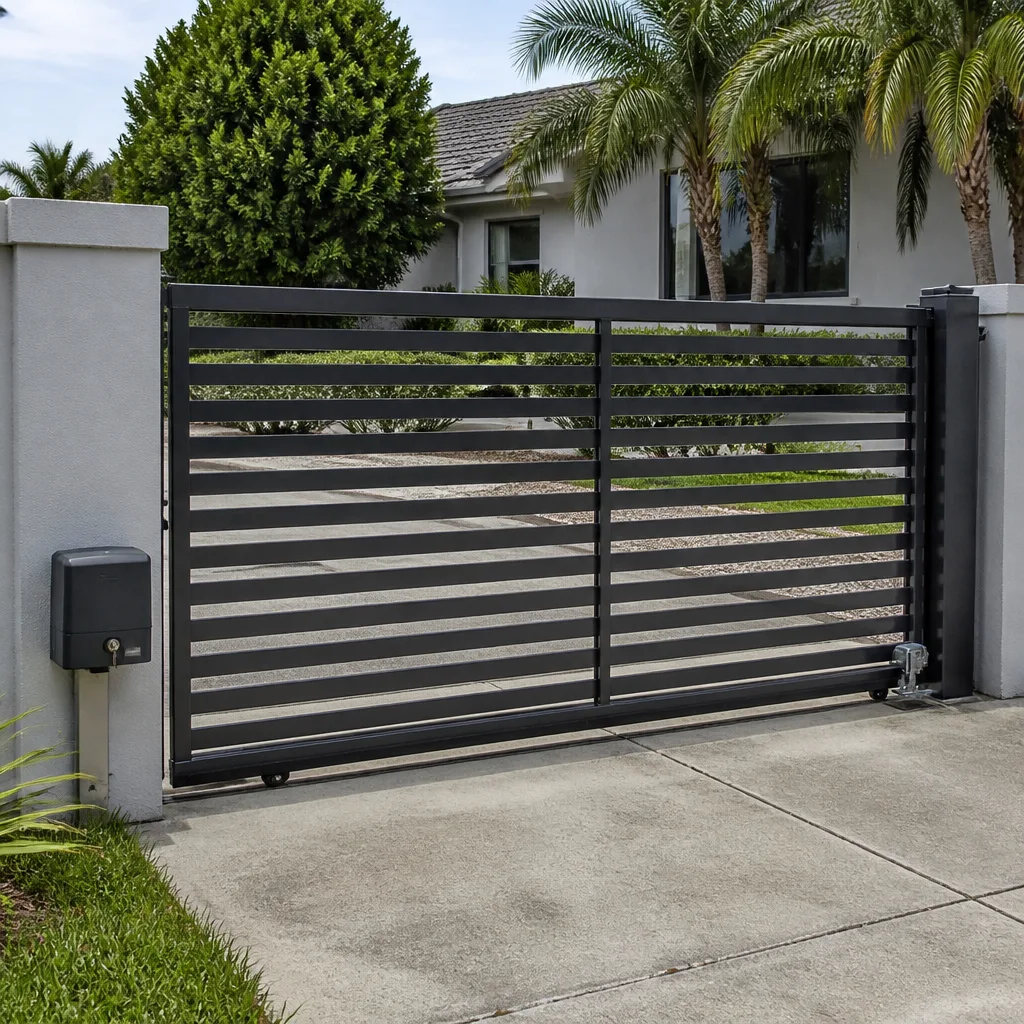 Sliding driveway gates
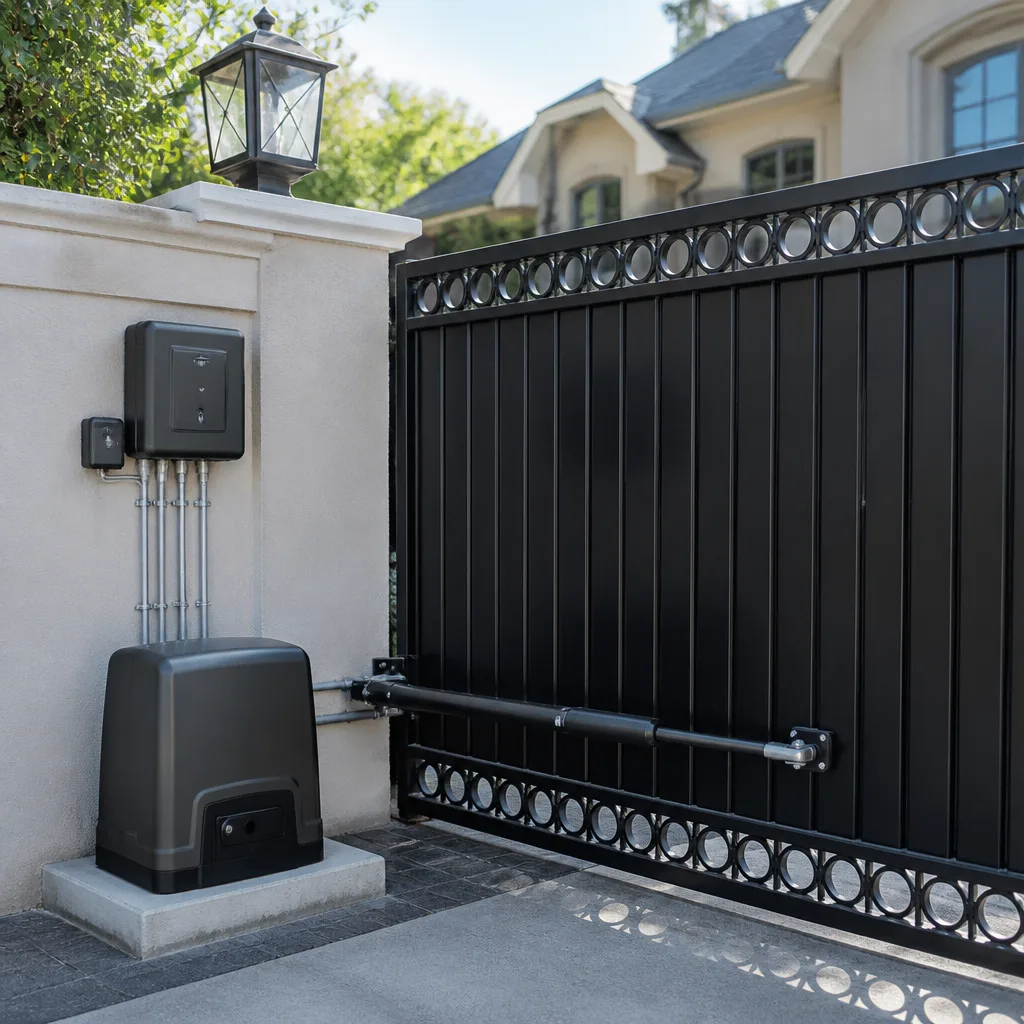 LiftMaster operators
Free on-site gate assessment - hinges, posts, and your LiftMaster or Nice gate operator checked before anything is quoted
The assessment is free and the quote is the invoice.
Get your free estimateSeasonal Gate Repair Care for Fort Myers: Year-Round Homeowner’s Guide
Fort Myers doesn’t have four seasons. It has a wet season, a dry season, and a hurricane window, and each one damages gate systems in its own way. The dry season is when gates seize up most often, not hurricane season, because low humidity cracks rubber seals and binds aluminum tracks after months of heat without rain. This The Complete Gate Repair Guide for Fort Myers Homeowners walks through what actually happens to gate components across a Southwest Florida calendar year, what to check each season, and which failures you can prevent versus which ones need a trained eye. We’re writing this from Fort Myers, where we’ve repaired gates in neighborhoods from McGregor Boulevard to Gateway during every month of the year.
Quick Answer
Seasonal gate care in Fort Myers means adjusting your maintenance routine to three distinct periods: the dry season (November through May), the wet season (June through October), and the pre-hurricane prep window of May and June. The dry season demands attention to lubrication, seal flexibility, and solar panel output on automated systems. The wet season is about corrosion control, drainage, and checking that gate posts remain stable in saturated ground. Hurricane prep is a short, intense period of mechanical locking, battery verification, and post-storm inspection.
Styles & brands we work with
Key Takeaways
- Dry season failures are mostly mechanical friction and seal cracking from low humidity and high UV exposure.
- Wet season failures are mostly electrical, triggered by corrosion, moisture intrusion, and shifting ground.
- Snowbird absences create a silent failure mode: gates left in automated mode for months with no manual cycling.
- Lubrication type should change with the season. What works in January is wrong for August.
- Hurricane prep has both a before-storm checklist and a critically important after-storm restoration sequence.
Table of Contents
- Dry Season Gate Failure Patterns (November – May)
- Wet Season Corrosion and Ground Saturation (June – October)
- Hurricane Prep Window: Locking and Protecting Automated Systems
- The Snowbird Effect: What Breaks While Owners Are Away
- Seasonal Lubrication: Matching Product to Calendar
- Month-by-Month Gate Care Calendar for Fort Myers
- Seasonal Care Notes by Gate Brand
Dry Season Gate Failure Patterns (November – May)
The dry season is the most mechanically active failure period for Gate Repair in Fort Myers. From November through May, relative humidity routinely drops below 40 percent for weeks at a time, and daytime temperatures stay in the 80s and low 90s. That combination does two things to gate hardware. First, rubber and vinyl seals lose moisture and become brittle. Second, aluminum and steel components expand during afternoon heat and contract at night, which means moving parts wear against each other in ways they don’t during the more thermally stable wet season.
What does this look like in practice? We’ve seen gate rollers in Fort Myers neighborhoods like Colonial Country Club and Reflection Lakes seize mid-track in April after a full winter of un-lubricated dry-season friction. What starts as a squeak becomes a bind, then a burned-out motor on an automated system. The operator keeps pushing against a gate that no longer moves freely, and the motor or the board fails.
Three dry-season checks deserve a homeowner’s attention:
- Seal inspection: Weatherstripping, post seals, and operator housing gaskets should be visually checked each January and April. Cracked seals let dry-season dust into the operator housing, and that dust becomes an abrasive paste the first time it rains.
- Track and roller lubrication: Dry-season lubrication is thinner and more frequent. We’ll cover this in the lubrication section below, but the short version is that heavy grease left on tracks from the previous wet season will bake into a gritty residue by March.
- Solar panel output on automated gates: Dry-season days are longer and sunnier, but a panel coated with dust and pollen produces less voltage than a clean panel with shorter sun exposure. Automated gate operators running on solar, common in Fort Myers for driveway gates without a nearby power source, can show erratic behavior in April even though every electrical component tests fine. The fix is often cleaning the panel face.
For automated systems, the dry season is also when boards and capacitors run hottest. Operator housings sit in direct sun, and the internal temperature can exceed the rated operating range of a control board on a west-facing installation. If an automated gate misbehaves only in the late afternoon, heat load is worth investigating before replacing parts.
Wet Season Corrosion and Ground Saturation (June – October)
From June through October, Fort Myers gets most of its roughly 57 inches of annual rainfall, often in daily afternoon downpours. Humidity hovers near 90 percent even when it’s not raining. Salt air from the Gulf and Caloosahatchee adds a corrosive layer that inland communities don’t deal with. This is the season when electrical problems dominate service calls.
Corrosion accelerates on every unsealed connection: terminal blocks inside operator housings, low-voltage wire splices at photo eyes and keypads, and the contact points on limit switches. A gate that worked perfectly through May can develop intermittent faults in July purely from moisture bridging a micro-gap in a corroded terminal. These faults are maddening because they come and go, often showing up after a heavy afternoon storm and disappearing after a dry morning.
Ground saturation is a second, less obvious wet-season failure driver. Heavy rain softens the soil around gate posts, especially on sloped driveways and canal-front lots. A post that shifted a quarter inch is enough to throw off the gate’s level, which changes the load on hinges, bearings, and the operator’s internal drive. Automated systems respond to that extra resistance by drawing more current, which shortens component life and can trip thermal overloads.
Underground wiring conduits deserve special attention during the wet season. Standing water inside a cracked conduit will eventually wick into low-voltage connections. The result is a slow, progressive degradation: reduced signal strength at keypads, intermittent photo eye drops, and eventually operator failures. Water intrusion into conduit does not fix itself when the ground dries.
If you have an Electric Gate Repair in Fort Myers need during this season, the most common root causes we find are corroded terminals, moisture inside operator housings, and post settlement rather than failed motors or boards. Checking the cheap, passive components first often saves a homeowner from replacing an expensive board that was never the actual problem.
Hurricane Prep Window: Locking and Protecting Automated Systems
Fort Myers homeowners learn quickly that hurricane preparation cannot wait until a watch is issued. For automated gates, the prep window starts in May and runs through June, before the peak of the season. The goal is to make sure a gate protects the property through a storm and, more importantly, can be re-opened safely afterward when emergency access is needed.
Here is a step-by-step preparation sequence for an automated gate in Fort Myers:
- Test the manual release. Every automated gate has a manual disconnect mechanism. Test it in May. If it’s never been used, it may be corroded or jammed. You need to know exactly how it works before a storm is approaching. If you can’t release it, the gate cannot be operated manually when the power is out.
- Verify battery backup condition. If your operator has battery backup, run a discharge test before June. A battery that hasn’t been exercised in a year will not hold a charge when you need it. Replace batteries that fail the test.
- Secure the gate in the open or closed position, depending on property needs. Most homeowners lock the gate closed to secure the property. But consider: if the gate is closed and the manual release fails after the storm, you have a barrier preventing access to the property during an emergency. Some coastal lots and rural acreages prefer the gate locked open so vehicles can come and go during cleanup. The choice depends on your property layout. Whichever you choose, chain or pin the gate mechanically so wind gusts cannot slam it. Wind loads on a broad gate can bend tracks, break hinges, and tear the gate free of its posts. This is dangerous equipment in high winds, never attempt to hold or brace a moving gate by hand.
- Disconnect power to the operator before the storm arrives. Power surges and lightning strikes travel through the service line and into the operator. Disconnecting at a breaker or service disconnect protects the board and motor. Batteries should be disconnected as well for maximum protection against surge damage.
- Document the pre-storm condition with photos. Photos of the gate, posts, operator, and keypad before the storm make post-storm insurance claims and damage assessment easier.
After the storm passes, reverse the sequence carefully. Inspect the gate, tracks, and posts for visible damage before restoring power. If the gate did not ride out the storm in its normal track alignment, do not force it. Forcing a misaligned gate causes secondary damage to the operator and hinges that often costs more to repair than the original storm damage would have.
The Snowbird Effect: What Breaks While Owners Are Away
Fort Myers has one of the largest seasonal resident populations in the country. From roughly May through October, thousands of homes sit empty while owners head north. Many of those homes have automated driveway gates. The gate is left powered on, in automatic mode, and uncycled for months. That is a specific and repeatable failure mode.
What breaks silently during a six-month absence? The first thing is the gate’s mechanical movement. If no one cycles the gate for months, the grease on rollers and hinges separates and dries. Surface corrosion forms on unpainted metal contact points. When the owner returns in November and hits the remote, the gate strains against months of accumulated friction. The operator draws high current, the board gets hot, and either the gate creaks open slowly or the operator faults out.
The second thing that breaks is the photo eye alignment. Photo eyes sit near the ground, exposed to lawn equipment, soil settling, and weather. Months without use gives slight misalignment time to compound. When the snowbird returns, the gate refuses to close or reverses unexpectedly, and the problem was never present when they left.
Keypads and intercom stations degrade as well. Sun and rain attack exposed keypad membranes. A keypad that worked in April may not respond in November because the membrane has cracked or the internal contacts have corroded. For snowbirds in Fort Myers, the practical advice is simple: have someone cycle the gate manually once a month during the off-season, even if no one enters the property. A monthly cycle is enough to keep mechanical parts moving and reveal developing electrical issues before they become November emergencies.
Seasonal Lubrication: Matching Product to Calendar
One lubrication product used year-round is a mistake in Fort Myers. The right product in January is wrong in August, and this single change prevents more gate failures than almost anything else a homeowner can do.
During the dry season, from November through May, use a light, dry lubricant on tracks, rollers, and hinge pins. Light machine oil or a dry-film lubricant works well. The goal is friction reduction without a heavy film that captures dust. Apply lightly, then wipe away excess. Reapply every three months during this period. Dry-season lubricant should never leave a visible coating; if it does, dust will embed in it and create an abrasive paste.
During the wet season, from June through October, switch to a marine-grade grease or heavy waterproof lubricant on hinge pins, bearing surfaces, and the operator’s drive mechanism. The goal shifts from dust control to corrosion resistance. Heavy grease protects against salt air and rain. Do not apply heavy grease to exposed track surfaces where the rollers run; that collects sand and grit. Instead, grease the bearing internals and pins where the lubricant stays contained.
For automated gate operators, the internal drive mechanism has its own lubrication schedule per the manufacturer. LiftMaster and FAAC operators, for example, have different internal lubrication requirements. Check your operator’s manual for the manufacturer’s recommendation. The operator is under load every cycle, and an un-lubricated drive mechanism wears faster than any other component in the system.
Month-by-Month Gate Care Calendar for Fort Myers
This calendar consolidates everything above into a month-by-month checklist. Print it, stick it in the garage, and use it. Ten minutes a month prevents most gate failures in this climate.
- January (dry season): Lubricate tracks and rollers with a light dry lubricant. Check all seals for cracking. Clean solar panels if equipped. Cycle the gate manually once.
- February (dry season): Inspect hinge pins and bearing points for wear. Listen for squeaks or grinding during operation. Check the operator housing for dust accumulation.
- March (dry season): Test photo eyes by blocking the beam while the gate is in motion. Clean photo eye lenses. Check keypad responsiveness.
- April (dry season, final dry lube): Apply final dry-season lubrication. Inspect the operator’s internal drive mechanism for hardened old grease. Check all low-voltage wiring connections for tightness.
- May (hurricane prep begins): Test the manual release. Verify battery backup condition. Document pre-storm condition with photos. Confirm the gate’s wind-load anchoring.
- June (wet season begins, hurricane watch): Switch to marine-grade lubricant on hinge pins and bearings. After the first heavy rain, check for post settlement. Inspect underground conduit for standing water. Prepare the hurricane lock-down plan.
- July (wet season): Check operator housing interior for moisture intrusion. Inspect terminal blocks and splices for corrosion. Verify drainage around gate posts is working.
- August (wet season): Re-check post stability after peak rainfall. Listen for changed operating sounds, which can indicate the gate is binding due to ground movement. Check photo eye alignment.
- September (wet season peak): Inspect all electrical connections for corrosion. Check battery backup charge state. Re-test the manual release in case of storm activity.
- October (transition): Deep-clean the gate, tracks, and operator. Inspect for end-of-season corrosion. Plan any off-season repairs before the dry season begins.
- November (dry season begins): Switch back to dry lubricant. Check seals for wet-season damage. Full system check for returning snowbirds.
- December (dry season): Check solar panel output if equipped. Re-lubricate tracks after the first dry month. Cycle the gate manually to verify smooth operation.
Seasonal Care Notes by Gate Brand
Different gate operator brands have different seasonal failure patterns in the Fort Myers climate. This is where Choosing the Right Gate Repair Brand: A Buyer’s Guide for Fort Myers matters, and it’s why a specialist who sees many brands repairs problems a single-brand dealer often misses.
Mighty Mule: The most popular residential DIY and light-duty operator in Fort Myers. Seasonal weaknesses include exposure to direct sun on the control board in west-facing installations, which causes dry-season thermal faults. The battery tray is also prone to corrosion in wet-season humidity. Check the battery terminals in July and clean them before they fail in October.
LiftMaster: A common choice for estate and larger residential gates. LiftMaster operators are relatively well-sealed, but the internal drive chain or belt still needs seasonal attention. Dry-season dust works into the chain links, creating stiff links by April. Wet-season moisture in the housing can cause intermittent limit switch behavior. The limit switch contacts should be inspected before hurricane season.
FAAC: Used frequently on higher-end residential and light-commercial systems in Fort Myers. FAAC hydraulic operators are sensitive to fluid condition, which degrades with temperature cycling. A dry-season afternoon heat spike can thin hydraulic fluid enough to cause slow gate movement. Wet-season corrosion on the hydraulic fittings is common. Check for weeping fluid around fittings in the fall.
BFT: Common on condominium and HOA entry systems in Southwest Florida. BFT boards are generally well-protected, but wet-season moisture still gets into the terminal strips of older installations. Seasonal inspection should focus on the ground wire and the antenna connection, which corrode first and cause range problems on remotes and keypads.
For any brand, the Fort Myers seasonal pattern is the same: dry season attacks mechanical components and heat-sensitive boards. Wet season attacks electrical connections and buried wiring. A gate specialist who knows your specific operator can identify which part of the system will fail in which season before it leaves you with a gate that won’t open. For new installations, visit Gate Installation in Fort Myers to see what a properly engineered Southwest Florida gate system looks like.
Common Mistakes to Avoid
- Using the same lubricant all year. The single most common maintenance mistake in Fort Myers. Heavy grease in the dry season captures dust and creates abrasive paste. Dry lubricant in the wet season washes off in the first heavy rain.
- Ignoring the manual release until the power is out. After Irma, we saw dozens of homeowners unable to manually open their gates because the release mechanism had never been operated. Test it before hurricane season, not during the storm.
- Powering the operator back on after a storm without inspection. If the gate moved, shifted, or took wind damage, restoring power immediately can burn out a motor working against a misaligned load. Inspect first, power second.
- Treating photo eye misalignment as a mechanical problem. When a gate reverses unexpectedly or won’t close, the photo eyes are the first suspect, not the operator. Check them before calling for service.
- Leaving an automated gate uncycled for months. Snowbird season causes more November service calls than any other single factor. Have someone cycle the gate monthly while the home is empty.
- Replacing a board before checking for corrosion. Wet-season electrical faults are usually caused by corroded terminals and moist connections, not a failed board. Replacing the board without fixing the corrosion simply consigns the new board to the same failure within a year.
- Painting over rust without treating it. Rust on a Fort Myers gate is ongoing and progressive. Painting over surface rust without removing it first traps moisture and accelerates corrosion underneath the paint. Treat, then paint.
When to Call a Professional
Some gate problems are safe and reasonable for a homeowner to handle: lubrication, seal inspection, cleaning photo eye lenses, testing the manual release. Others are not. Any work involving high-tension springs, loaded torsion systems, significant electrical work inside the operator housing, or a gate that has come off its track is dangerous. A gate under tension or load stores energy, and releasing that energy incorrectly causes serious injury.
If your gate is binding intermittently, failing only during certain weather conditions, or showing signs of post settlement, call a specialist. Courtyard Gate Repair offers our Gate Repair services with free estimates in Fort Myers – call (844) 791-3898. We diagnose your specific gate and your specific operator, including equipment from Mighty Mule, LiftMaster, and FAAC, and tell you what actually needs fixing. If it does not need to be replaced, we will not tell you it does.
Frequently Asked Questions
Every three months during the dry season with a light dry lubricant, and switch to a marine-grade grease on hinge pins and bearings at the start of the wet season in June. Track surfaces where rollers run should not be greased heavily in either season. For exact product recommendations for your specific gate, call (844) 791-3898 and we’ll tell you what works in this climate.
Dry season failures are driven by heat expansion, cracked seals, and dust that turns into abrasive paste on unlubricated moving parts. These conditions peak after months of dry weather, which is March through May in Fort Myers. Hurricane season failures are a different pattern entirely, mostly electrical and caused by moisture and corrosion.
You can, but it invites a specific set of failures: dried lubrication, surface corrosion on moving parts, and photo eye misalignment. The best practice is to have someone cycle the gate manually once a month while you’re gone, even if they don’t enter the property. That single monthly cycle prevents most returning-snowbird service calls.
Test the manual release so you know it works, verify battery backup condition, secure the gate mechanically in the open or closed position, disconnect power at the breaker, and photograph the pre-storm condition. After the storm, inspect for damage and realignment before restoring power. Never force a misaligned gate after a storm.
We service and repair operators from Mighty Mule, LiftMaster, FAAC, BFT, Linear, Viking, Ghost Controls, DoorKing, and Elite. That range covers everything from basic residential swing gates to high-cycle commercial systems, and it means we diagnose your existing equipment honestly rather than steering you toward whatever brand we happen to sell.
A scheduled inspection and lubrication visit typically ranges from $100 to $200 depending on gate type and operator complexity, and a full seasonal service including electrical checks and component inspection runs $200 to $350. Repairs found during the inspection are quoted separately and approved before any work is done. Call (844) 791-3898 for a free estimate on your specific gate.
The Bottom Line
Fort Myers gates fail in predictable seasonal patterns. The dry season attacks what moves. The wet season attacks what conducts electricity. Hurricane season attacks what’s exposed to wind and water. Snowbird season attacks what’s left unattended. A homeowner who adjusts lubrication, inspection, and preparation to the actual Southwest Florida calendar will catch most problems before they become breakdowns. And when a breakdown does happen, the right specialist repairs what broke without inventing problems that don’t exist. Learn more from our Courtyard Gate Repair home page, or call (844) 791-3898 for a free estimate from a gate specialist who knows Fort Myers and knows your brand.
Written by the team at Courtyard Gate Repair, serving Fort Myers since 2017. See more guides & resources.
See the difference
 Before
 After
 Before
 After
 Before
 After